How to Play Memory
Turn over two cards at a time and remember where the pairs are.
Also known as Concentration · Pairs · Pelmanism
Learn Memory, the pairs game the app calls Concentration, for 1–6 players: turn two cards a turn, keep the pairs and go again after a match. See a worked turn, then play in your browser.
Two turns and a pair
You turn up the 7♥, then the K♠: no pair. Both go back face down and the turn passes, but everyone has now seen where they lie. Two turns later you turn an unknown card and it is the 7♦. You know where the 7♥ is, so your second flip takes it: a pair, and you go again.
| Situation | Result |
|---|---|
| 7♥ then K♠ | No pair: both turn back face down and the turn passes left |
| 7♦ turned up, and you remember the 7♥ | Turn the 7♥ second: a pair, and you go again |
| 7♦ then 7♣ with Match colour on | No pair: with that option a 7♦ pairs only with the 7♥ |
| Last pair taken | Game over: most pairs wins, ties share the win; alone, fewer turns is better |
Turn an unknown card first and a known one second. Cards that do not pair go back exactly where they were, so everything shown stays useful.
Practise this game in your browser🎯 Objective
Take the most pairs by turning up two cards of the same rank. Playing alone, clear the table in as few turns as you can.
🃏 Memory Setup & Rules
- 1 to 6 players. The app fills up to 5 seats with app opponents, or you can play alone.
- The 52 cards are shuffled and laid face down in rows, four rows of 13 on a wide screen. For young children choose the Small board at setup: ace to 5 of each suit, 20 cards.
- The seat to the left of the dealer turns first, and turns pass to the left.
▶ How to Play Memory
- On your turn tap a face-down card to turn it up, then tap a second. Everyone at the table sees both.
- Two cards of the same rank, such as two 7s, are a pair: they are yours and you take another turn.
- With the Match colour option on, a pair must also be the same color, such as the two red queens, so every card has exactly one partner.
- If the two cards do not match they stay up for a moment, then turn back face down in the same places, and the turn passes to the left.
- The game ends when the last pair is taken. One game is the whole match; there are no rounds or running scores.
🎬 Watch: How to Play Memory
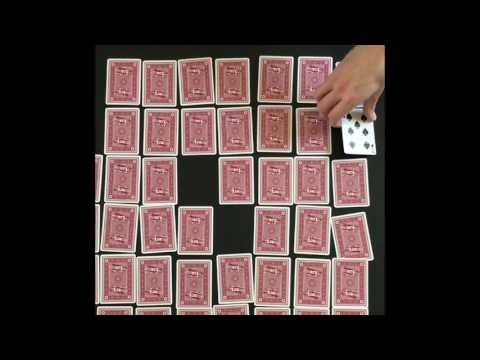
This video is embedded from YouTube and remains the intellectual property of its respective creator and/or rights holder. Vanikar LLC claims no ownership of, or rights in, the video content, and no affiliation with or endorsement by its creator is implied. The video is displayed via YouTube’s public embed feature in accordance with the YouTube Terms of Service and the agreements between YouTube and the content uploader.
📖 Detailed Guide
Setting up your table
- From the game menu choose Concentration, the app's name for Memory, then pick 1 to 6 seats. Up to 5 can be app opponents at Easy, Medium or Hard; one seat is the solo game.
- Board: Full by default, all 52 cards in 26 pairs. Small is the ace to 5 of each suit, 20 cards in 10 pairs, for young children or a quick game.
- Match colour: off by default, so any two cards of a rank pair. On, a pair must be the same rank and the same color, such as the 7♥ and the 7♦.
- Tap Deal: the cards are shuffled face down in rows, and the seat to the left of the dealer turns first.
Taking a turn
- Tap any face-down card to turn it up, then tap a second one. You cannot tap the same card twice.
- If they pair, both cards are yours and you go again at once.
- If they do not, they stay face up for a moment so everyone can see them, then turn back face down where they were, and the player to your left turns next.
- Every two cards turned up count as one turn, whether or not they paired; that is the number the solo game scores.
What pairs
- Normally two cards of the same rank pair, whatever their suits: the 7♥ with the 7♠, the 7♦ or the 7♣. Each card has three possible partners.
- With Match colour on, the partner must also be the same color: the 7♥ pairs only with the 7♦. Each card has exactly one partner, so the game is harder.
- Rank is all that matters; aces, face cards and number cards pair the same way.
- On the Small board only aces to 5s are on the table, so there are 10 pairs to find instead of 26.
Winning and app opponents
- The game ends when the last pair is taken. The most pairs wins, and players level on pairs share the win.
- Alone, there is no opponent: the table shows the turns you took, and fewer is better.
- App opponents remember cards by level: Easy keeps about 30% of what it sees, Medium about 65%, and Hard remembers every card ever turned up.
- They never peek at face-down cards; like you, they only know what has been turned up, so a card nobody has seen is just as unknown to them.
📊 Memory Scoring
The player with the most pairs wins; players level on pairs share the win. Playing alone, your score is the number of turns you took (every two cards turned up is a turn), and fewer is better. App opponents remember what they have seen by level: Easy keeps about 30% of the cards it sees, Medium about 65%, and Hard forgets nothing.
❓ Memory — Frequently Asked Questions
How many players do you need for Memory?
Memory is played with 1–6 players. On Vanikar, empty seats can be filled with AI opponents so you can always start a game.
Is Memory the same as Concentration?
Yes. Memory, Concentration, Pairs and Pelmanism are names for the same game, and the Vanikar Card Games app lists it as Concentration.
Do matching cards have to be the same color in Memory?
Not by default: any 2 cards of the same rank pair, so each card has 3 possible partners. Turn on the Match colour option at setup and a pair must also share a color, such as the queen of hearts and the queen of diamonds, so each card has exactly 1 partner.
How many cards are on the table in Memory?
52 on the Full board, 26 pairs in 4 rows of 13 on a wide screen. The Small board at setup uses the ace to 5 of each suit: 20 cards, 10 pairs.
Do the app opponents in Memory remember every card?
Only on Hard. Easy remembers about 30% of the cards it sees and Medium about 65%; Hard forgets nothing. None of them can see a face-down card before it is turned up.